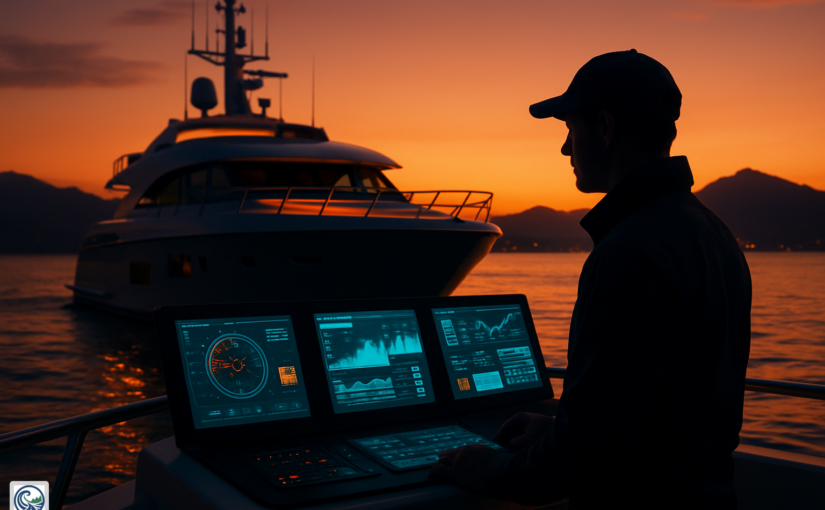
In today’s digital age, leveraging data in boat monitoring systems provides owners with critical insights that enhance vessel security and maintenance. The integration of real-time data allows boat owners to monitor the power, security, and environmental status of their vessels effectively, ensuring they remain informed and proactive.
Data in boat monitoring refers to the real-time information collected from various sensors to track the condition of a vessel.
What Is Boat Monitoring Data?
Boat monitoring data includes various metrics that are essential for maintaining a vessel’s safety and performance. This data can encompass:
- Power levels
- Battery health
- Fuel levels
- Environmental conditions (e.g., temperature, water levels)
- Security alerts (e.g., theft, unauthorized access)
Why Is Data Important in Boat Monitoring?
Utilizing data in boat monitoring systems helps owners mitigate risks and enhance their vessel’s longevity. Here are some key benefits:
- Proactive Maintenance: Real-time alerts allow for early detection of potential issues, such as low battery or fuel levels, reducing the risk of equipment failure.
- Enhanced Security: Monitoring systems provide instant alerts for unauthorized access or theft, allowing owners to respond promptly.
- Environmental Awareness: Tracking environmental conditions helps owners make informed decisions during adverse weather.
Types of Data Collected by Boat Monitoring Systems
1. Power and Battery Data
Monitoring power and battery data is crucial for ensuring that your vessel operates efficiently. Systems like NMEA2000 allow for real-time insights into battery health and power levels.
2. Fuel Tank Monitoring
Boat fuel tank monitoring systems can prevent unexpected fuel loss and ensure that fuel levels are always adequate. The Boat Fuel Tank Monitoring system from EverWatch ensures visibility and early detection of issues.
3. Security Data
Security features offer real-time alerts regarding theft or unauthorized access. By integrating a robust monitoring system, boat owners can minimize risks and improve their asset protection.
Comparison of Boat Monitoring Systems
| Feature | EverWatch Systems | Competitor A | Competitor B |
|---|---|---|---|
| Real-time Alerts | Yes | Yes | No |
| Power Monitoring | Yes | Yes | Yes |
| Fuel Monitoring | Yes | No | Yes |
| Security Alerts | Yes | No | Yes |
How to Choose the Right Monitoring System
When selecting a boat monitoring system, consider the following factors:
- Data Accuracy: Ensure the system provides accurate and timely data.
- Features Offered: Look for essential features like power monitoring, fuel tracking, and security alerts.
- User Interface: A user-friendly interface enhances the monitoring experience.
Conclusion
Incorporating data into your boat monitoring strategy is essential for ensuring the safety and efficiency of your vessel. By utilizing advanced systems like those offered by EverWatch, boat owners can monitor their vessels in real-time, preventing costly issues before they become significant problems. For further insights on monitoring systems, explore our guides on what a boat engine data app should show or our comparison of best boat monitoring platforms.
Last updated: June 2026. We review this article regularly to reflect the latest data and best practices.


 2-Year Warranty
 30-Day Money-Back Guarantee
 U.S.-Based Support