
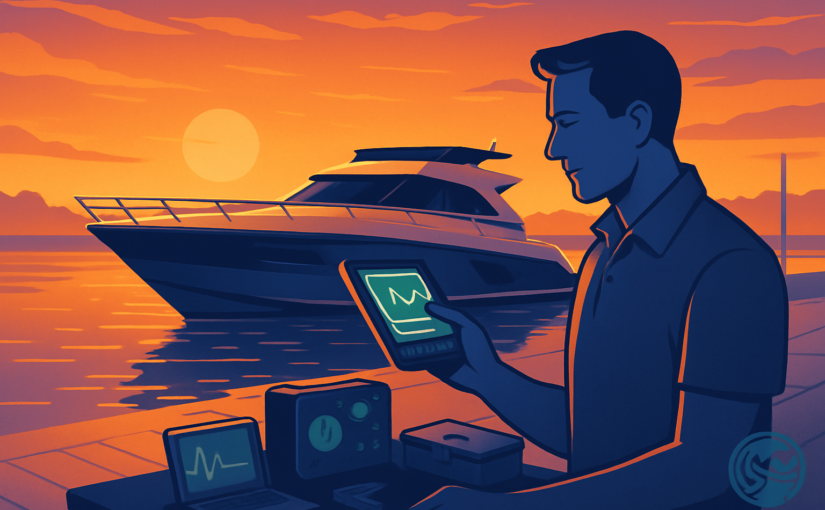
As a boat owner, ensuring the safety and performance of your vessel is paramount. With ongoing advancements in technology, effective boat monitoring is more accessible than ever. This article outlines actionable tips that you can apply today to enhance your boat’s security and maintenance.
Understanding the Importance of Boat Monitoring
Monitoring your boat is not just about keeping tabs on its location; it’s about safeguarding your investment. A comprehensive boat monitoring system can help detect potential issues early, preventing costly repairs. With features like real-time alerts and continuous monitoring, you can stay informed about everything from battery status to security threats.
1. Invest in Reliable Monitoring Technology
First and foremost, invest in a robust monitoring system. Look for options that offer real-time tracking, power monitoring, and security alerts. Technologies such as NMEA 2000 boat monitoring can provide valuable insights into your boat’s operational status.
Key Features to Look For
- Power Monitoring: Ensure your system includes features to monitor shore power loss and battery health regularly.
- Security Alerts: Identify systems that offer theft alerts and bilge monitoring for added security.
- User-Friendly App: A mobile application should allow you to check your boat’s status from anywhere.
2. Regularly Check and Calibrate Sensors
Your boat monitoring system relies heavily on accurate sensors. Regularly check and calibrate these sensors to ensure they function correctly. This includes shore power sensors, bilge alarms, and any other critical monitoring devices.
Maintaining Sensor Accuracy
Ensure sensors are not blocked or dirty, as this can affect their performance. Regular inspections and cleaning will help maintain their accuracy, giving you reliable readings at all times.
3. Leverage Alerts for Proactive Maintenance
Utilize the alert features of your monitoring system to stay ahead of potential issues. Set up notifications for when power levels drop below a certain threshold or if there are fluctuations in critical systems.
Actionable Alert Strategies
- For battery alerts, monitor voltages regularly to prevent unexpected failures.
- Use bilge alarms to catch water accumulation early. A proactive approach can save your boat from sinking.
- Consider alerts for temperature changes that may indicate engine troubles or other system failures.
4. Conduct Routine Inspections
While technology aids in monitoring, routine inspections remain crucial. Regularly checking your boat for wear and tear can help identify problems before they escalate.
Inspection Checklist
- Examine all electronic systems, ensuring they are functioning correctly.
- Inspect the hull for any signs of damage or growth that might affect performance.
- Check all fluid levels, including fuel, oil, and coolant, to ensure optimal operation.
5. Stay Informed and Educated
Stay updated with the latest technologies and best practices in boat monitoring. Join communities or forums for boat owners to share experiences and solutions. Continuous learning can lead to better decision-making regarding your vessel’s care.
Further Learning Resources
For more insights on effective monitoring, check out our article on unlocking the benefits of remote boat monitoring.
Conclusion
Effective boat monitoring combines technology with routine maintenance to ensure your vessel remains safe and secure. By implementing these actionable tips, you can avoid costly issues and enjoy peace of mind while out on the water. To take your boat monitoring to the next level, explore EverWatch’s comprehensive solutions today!


 2-Year Warranty
 30-Day Money-Back Guarantee
 U.S.-Based Support