
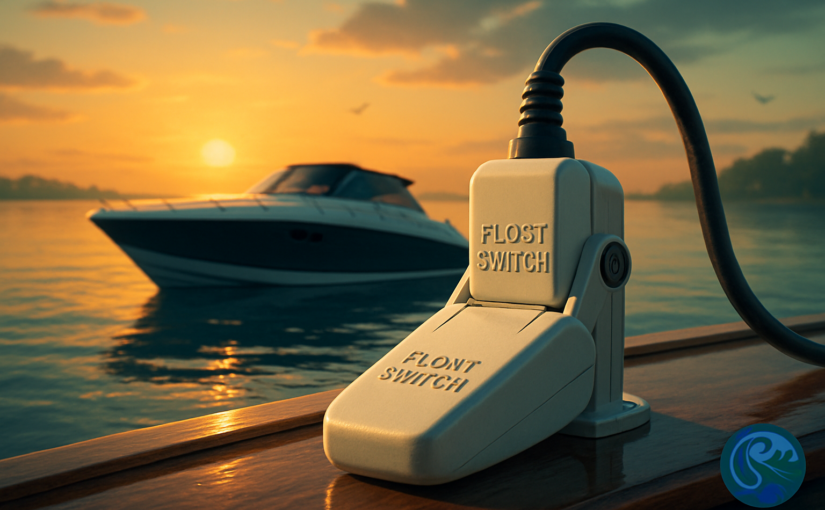
Float switches are crucial components in boat monitoring systems, enabling real-time detection of water levels and preventing potential damage to vessels. They play an essential role in safeguarding boats against flooding and equipment failure.
Float switch: A device that detects the level of liquid within a tank or a bilge, triggering a mechanism to prevent overflow or flooding.
What is a Float Switch and How Does it Work?
A float switch operates through a simple mechanism utilizing a buoyant object that rises and falls with the liquid level. When the water reaches a predetermined height, the float triggers the switch, sending a signal to the monitoring system. This automatic response helps boat owners manage water levels efficiently.
Types of Float Switches
- Mechanical Float Switches: These use a physical float to operate a switch. They are reliable but can wear out over time.
- Electronic Float Switches: These utilize sensors to detect water levels without moving parts, offering a longer lifespan and more accurate readings.
- Multi-level Float Switches: Capable of detecting multiple water levels, these switches provide comprehensive monitoring and alerts for various conditions.
Why are Float Switches Important for Boat Owners?
Float switches are vital for maintaining the safety and integrity of a vessel. They alert owners of rising water levels in the bilge, which can indicate leaks or flooding. Without these alerts, boats are at risk of substantial damage, costly repairs, and even sinking.
Real-World Application of Float Switches
For example, in a recent case, a boat owner avoided disaster when their float switch alerted them to rising water levels in the bilge during a storm. The immediate response allowed for timely intervention, preventing damage to the engine and other critical systems.
Float Switch Features to Consider
| Feature | Benefit |
|---|---|
| Durability | Long-lasting use in harsh marine conditions |
| Response Time | Faster alerts to prevent overflow and damage |
| Connectivity | Integration with mobile apps for remote monitoring |
| Power Consumption | Energy-efficient operation for long-term use |
Integration with Boat Monitoring Systems
Float switches work seamlessly with comprehensive boat monitoring solutions, such as the EverWatch Systems float switch sensor. This integration allows boat owners to receive real-time alerts about bilge water levels and make informed decisions to protect their vessels.
Other Monitoring Sensors to Enhance Safety
Along with float switches, boat owners should consider additional sensors for comprehensive monitoring:
- Temperature and humidity sensors to protect sensitive equipment.
- Door and hatch sensors to ensure security while docked.
- Smoke sensors for early detection of fire hazards.
Conclusion
In conclusion, float switches are essential for safeguarding boats against flooding and equipment failure. By integrating float switches into a broader boat monitoring system, owners can enhance their vessels’ safety and performance. Investing in reliable monitoring solutions like EverWatch is vital for any boat owner.
Last updated: June 2026. We review this article regularly to reflect the latest data and best practices.


 2-Year Warranty
 30-Day Money-Back Guarantee
 U.S.-Based Support