
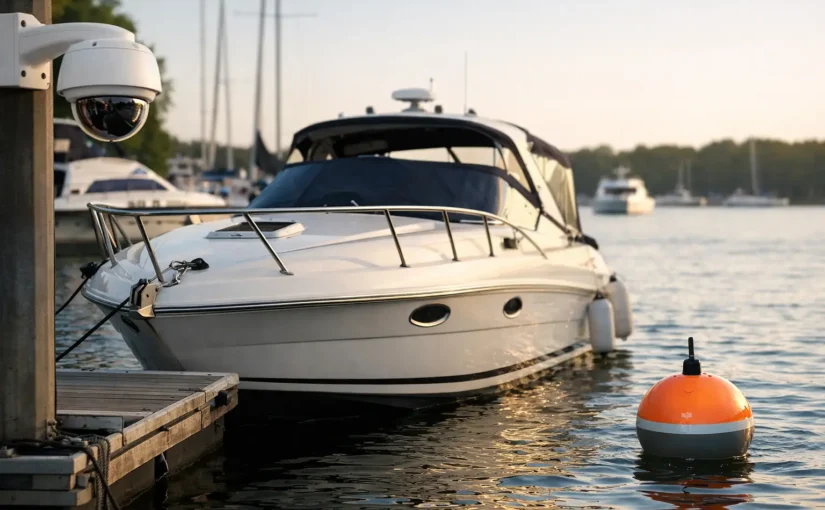
A boat rarely fails when someone is standing in the cockpit. Trouble starts on a quiet Tuesday night after shore power drops, a bilge pump begins cycling, or an unsecured hatch lets in rain. An unattended boat protection plan gives you the awareness to act before a small fault becomes a flooded cabin, dead battery bank, damaged equipment, or insurance claim.
This is not about adding one more gadget to your boat. It is about creating a dependable monitoring and response system for the periods that matter most: when your vessel is at the marina, on a lift, in storage, on a mooring, or at anchor without you aboard.
What an Unattended Boat Protection Plan Must Cover
A useful plan starts with the failures that create the most damage fastest. Shore power loss can take down battery charging, refrigeration, heating, and dehumidification. High water or unexpected bilge activity can signal a leak, failed plumbing fitting, rainwater intrusion, or a pump that is losing the fight. A low battery can leave critical systems unable to operate when they are needed.
Security and location deserve the same attention. Boats are moved without permission, lines part, anchors drag, and doors or hatches are left open. Even a few degrees of temperature change or sustained high humidity can affect interiors, electronics, and stored gear over time.
Your plan should therefore provide visibility into power, batteries, bilge activity, water intrusion, location, and access points. For larger vessels or owners who want a deeper operational picture, it should also extend to engine, transmission, and tank data through NMEA2000 integration.
The difference is coverage. A standalone GPS tracker can tell you where the boat went, but not whether the charger stopped working. A consumer water alarm may chirp in the bilge, but it cannot reach you after you have left the dock. A true protection plan connects the conditions on board to a person who can respond.
Start With the Risks at Your Slip, Storage Yard, or Anchorage
Every boat has different exposure. A center console on a trailer has different needs than a yacht connected to shore power year-round. Begin by walking through your boat as if you will not return for two weeks. Identify what can fail, what it affects, and who can respond.
At a marina, shore power and bilge monitoring are usually first priorities. Confirm whether the boat relies on dock power for charging, climate control, refrigeration, or other loads. If power fails, you need an immediate alert, not a discovery during the next weekend visit.
At anchor or on a mooring, position and anchor status become more urgent. Geo-fencing can notify you when a vessel leaves its expected area, while anchor alerts help identify movement that may require immediate attention. For stored boats, temperature, humidity, intrusion, battery status, and unauthorized movement often take priority.
It also pays to consider seasonal risks. Freezing conditions, hurricane season, prolonged rain, and summer heat each change what deserves the tightest alert threshold. The right plan is not a static checklist. It reflects where the boat is, how it is used, and the weather it may face while unattended.
Define Who Responds to Each Alert
An alert without a response path is only a notification. Before installing any monitoring system, decide what happens when an issue is detected.
For a shore power loss, you might check the marina pedestal remotely, call the dock office, and ask a nearby service provider to inspect the connection if power does not return. For high water, the response should be faster: contact the marina, call a trusted captain or technician, and determine whether the vessel needs immediate pumping or haul-out assistance.
Write down the names and phone numbers of the people who can physically reach the boat. Include marina management, a dock neighbor if appropriate, a mobile marine technician, and your insurance contact. Make sure at least one person has access instructions and knows where the keys are stored. A protection plan is strongest when the technology and the response team are prepared together.
Use Marine-Grade Monitoring, Not a Patchwork of Alarms
Marine environments are unforgiving. Salt air, vibration, moisture, fluctuating voltage, and unreliable dock Wi-Fi quickly expose the limitations of consumer-grade sensors. A system intended to protect a vessel needs marine-grade hardware, properly protected wiring, and installation practices aligned with ABYC safety standards.
Connectivity matters just as much. Wi-Fi can be useful at the dock, but it should not be your only communication path. Marina networks fail, credentials change, and the signal may not reach the boat consistently. Dual LTE and Wi-Fi connectivity gives the monitoring system a way to keep reporting when one path is unavailable.
The alert method also matters. A single app push can be missed during a meeting, flight, or overnight sleep. Use layered notifications that can send push alerts, text messages, email, and phone calls based on the severity of the event. A low-priority humidity trend may justify an app notification. High water or vessel movement should escalate until the right person sees it.
EverWatch Systems combines onboard controllers and expandable sensors with mobile access, cellular or Wi-Fi connectivity, and multi-channel alerts so owners can see vessel conditions and respond from wherever they are.
Build Alert Rules That Create Action, Not Noise
The goal is early warning, not constant interruption. If your system sends alerts for routine conditions, you will eventually ignore the alert that matters. Set thresholds around real operating limits and test them before leaving the boat unattended for an extended period.
Battery alerts are a good example. A brief voltage drop when a load starts may be normal. A sustained low voltage while shore power should be charging is not. Bilge monitoring needs the same judgment. A pump cycle after heavy rain may be expected, while repeated cycling in dry weather should trigger a higher-priority alert.
Use timing and escalation to separate momentary changes from persistent failures. A brief shore power interruption may not require a midnight call. A power loss that continues long enough to threaten charging or onboard systems does. For high-water conditions, however, delay is rarely helpful. Alert immediately and make sure the notification reaches more than one channel.
Review your alert history after the first month. If a notification never prompted action, adjust its threshold or priority. If you discovered a condition before the system alerted you, tighten the rules. This small amount of tuning turns monitoring into a practical operating tool.
Test the Plan Before You Need It
Installation is only the beginning. Test each sensor and each notification channel while you are on board. Disconnect shore power briefly, open a monitored hatch, confirm location reporting, and verify that a simulated water condition creates the expected alert. Check that your phone, a secondary contact, and any escalation recipient receive the correct message.
Then test the human side. Call the person listed for a high-water event and make sure they know what you expect. Confirm that the marina has current contact details and understands who is authorized to make decisions for the vessel. If the boat is in seasonal storage, update the plan when its location or operating conditions change.
A monthly five-minute review is usually enough to catch problems before they matter. Look for weak connectivity, aging batteries in wireless sensors, unexplained bilge cycles, recurring shore power events, and changes in normal temperature or humidity patterns. Vessel data is most valuable when it helps you recognize a developing issue, not merely document one after the fact.
Protection Is Continuous, Not Occasional
A well-built unattended boat protection plan does more than guard against theft or flooding. It gives you a clear picture of whether the boat is safe, powered, dry, secure, and where it should be. That confidence changes how you own the vessel. You can travel, leave the marina after a storm warning, or store the boat for the season without relying on luck and occasional check-ins.
The right time to build the plan is while everything is working. Establish your normal readings, set the response contacts, test the alerts, and let your monitoring system keep watch when you cannot. Your boat deserves more than a periodic glance from the dock. It deserves continuous oversight and a fast path to action when conditions change.