


Complete Protection Package
Install a Marine Intrusion Sensor the Right Way
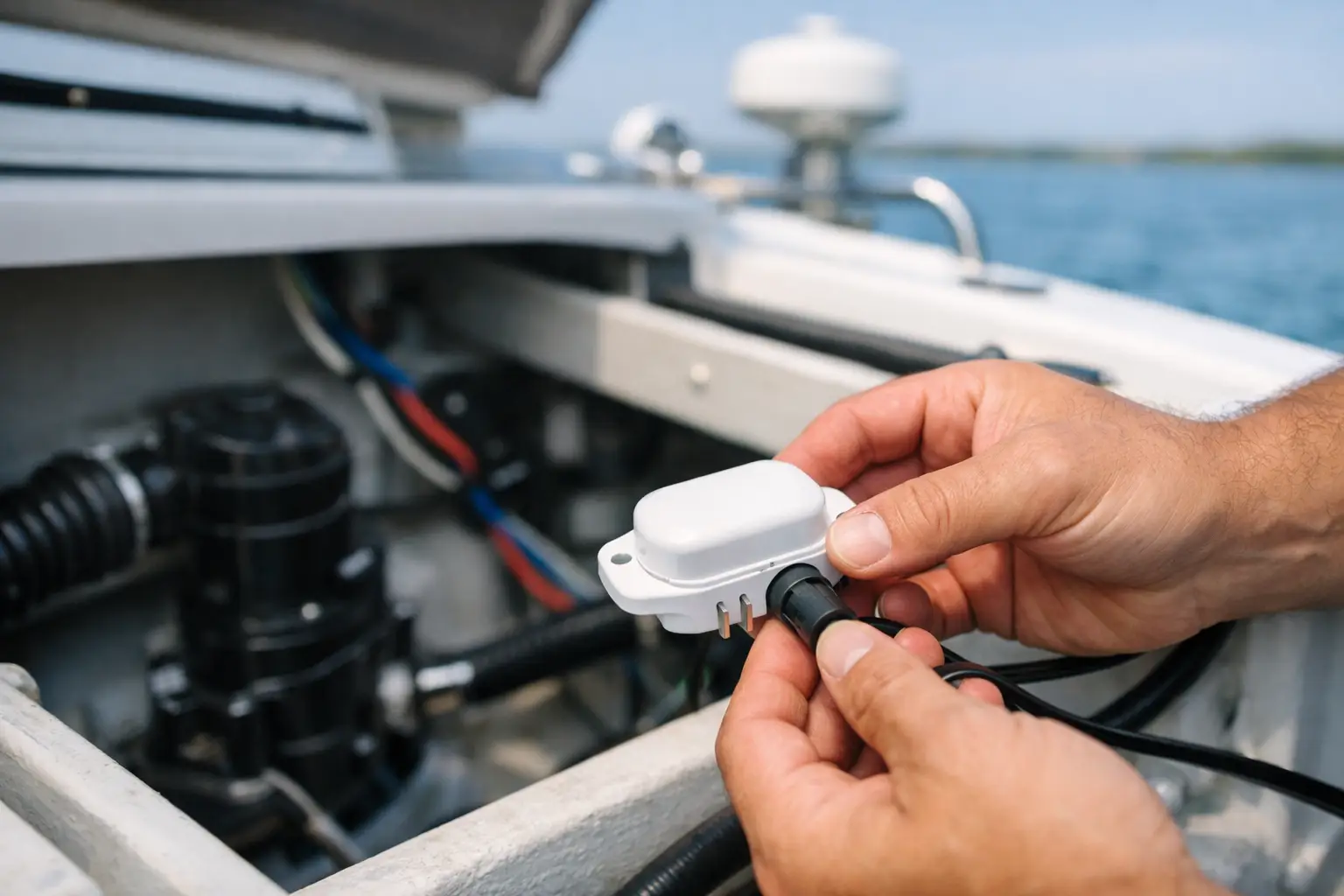
A cabin hatch left unlatched, a cockpit locker opened after dark, or an unauthorized person stepping aboard can become a costly problem long before anyone at the marina notices. When you install a marine intrusion sensor, the goal is not simply to trigger an alarm. It is to know immediately when protected access points change state, wherever you are.
For most boat owners, a magnetic contact sensor on a door, hatch, locker, or engine-room access panel is the most dependable starting point. Combined with a connected monitoring system, it can send a push notification, SMS, email, or phone alert the moment an access point is opened. The installation is straightforward when the sensor is chosen and placed for the realities of a moving, wet, vibration-heavy vessel.
Start With the Access Points That Matter Most
Do not begin by putting sensors everywhere. Begin with the places where an opening would create the greatest security, safety, or maintenance concern. On a center console, that may be a console door, electronics compartment, or forward locker. On a cabin cruiser, it is often the companionway, salon door, deck hatches, transom door, and engine-room access.
Think about how the boat is used and stored. A vessel kept in a locked marina slip may need primary protection at the cabin entrance and cockpit lockers. A boat on a trailer or dry stack may benefit from monitoring storage lockers and removable electronics compartments. A yacht left at anchor may require broader coverage because access can occur from several sides.
A contact sensor also has value beyond theft deterrence. A hatch that should be secured before bad weather, an engine-room door that should remain closed, or a lazarette that is unexpectedly opened all deserve immediate attention. The best setup reflects the way you operate the boat, not a generic security diagram.
Choose the Right Marine Intrusion Sensor
A magnetic contact sensor has two pieces: a switch and a magnet. When the two pieces are close together, the circuit indicates that the protected door or hatch is closed. When they separate, the monitoring controller records an open condition and can send an alert.
For fixed doors and flat mounting surfaces, a surface-mount magnetic contact is usually the simplest choice. It is visible, easy to inspect, and easier to replace if damaged. Recessed contacts create a cleaner appearance but require drilling into the door frame and moving panel. They are best suited to protected interior installations where alignment will remain stable.
Avoid relying on consumer-grade home security sensors in exposed marine locations. Salt air, condensation, vibration, ultraviolet exposure, and temperature swings can shorten their service life or cause false alerts. Select marine-grade hardware with corrosion-resistant components and wire connections designed for a vessel environment.
Motion sensors can supplement contacts in larger cabins, but they are not always the first choice. A motion sensor may require careful positioning to avoid false triggers from pets, swinging curtains, ventilation airflow, or activity by authorized crew. Door and hatch contacts provide a clear, specific event: this access point opened.
Plan the Installation Before Drilling
Hold both sensor pieces in their intended positions and open and close the hatch or door several times. This simple test prevents many installation mistakes. The magnet and switch must remain aligned through the full range of vessel movement, hinge flex, and latch pressure.
Mount the sensor body on the fixed structure whenever possible and the magnet on the moving panel. Choose a location near the latch side rather than the hinge side. The latch side experiences the largest separation when the opening begins to move, which gives the sensor a clearer open signal.
Confirm that the selected location will not be struck by feet, gear, dock lines, fenders, or stored equipment. On deck hatches, place the components where they are protected from direct standing water and cannot interfere with gasket compression. In lockers and engine spaces, keep wiring away from hot exhaust components, moving machinery, and areas likely to collect water.
Before fastening anything, verify the sensor’s specified operating gap. Some contacts tolerate only a small separation, while wider-gap models provide more flexibility. A sensor that appears to work at the dock but loses alignment when the hull twists in a wake is not reliable protection.
How to Install a Marine Intrusion Sensor
Begin by disconnecting or isolating the circuit you will be working on according to the monitoring system’s installation instructions. If the sensor connects to a powered controller input, avoid making connections on an energized circuit.
Clean the mounting surfaces with an appropriate marine-safe cleaner and let them dry fully. Adhesive-backed sensors can work well on clean, stable interior surfaces, but mechanical fasteners are often the better long-term choice where vibration, heat, or moisture are present. Do not fasten into a thin hatch skin without confirming what is behind it.
Route the sensor wire along existing harness paths where practical. Use properly sized marine-grade wire, protect it with loom or conduit where it crosses sharp edges, and secure it at regular intervals with corrosion-resistant clamps or ties. Leave enough service loop for normal movement and future maintenance, but not enough loose wire for it to snag or chafe.
At the monitoring controller, connect the sensor to the designated dry-contact or digital input as directed by the manufacturer. Keep low-voltage sensor wiring organized and separated from high-current DC conductors where possible. Sound installation practice matters here: a clean, supported run is easier to troubleshoot and less likely to fail when the boat is underway.
If you are integrating the sensor with a connected vessel monitoring platform, label the input clearly in the app. Use names that make sense during an alert, such as “Companionway Door,” “Port Deck Hatch,” or “Engine Room Access.” “Sensor 3 Open” wastes time when you need to decide whether to call the marina, a neighbor, or a technician.
Test for Real Conditions, Not Just a Green Light
Once the system is powered, test the sensor several times. Confirm that the app shows closed when the access point is secured and open when it is opened. Then confirm that the alert reaches the people who need it through their selected notification channels.
Test the installation with the hatch or door closed firmly, closed lightly, and moved slightly against its latch. If the status flickers between open and closed, improve the alignment or change to a sensor with a more suitable operating gap. A clean signal is more valuable than a sensor hidden in a cosmetically perfect location.
You should also test the system after a day on the water. Vibration can reveal wiring that needs another clamp or a magnet that has shifted slightly. Recheck after temperature changes, heavy rain, or a period of storage. The point of remote monitoring is confidence when you are away, and that confidence comes from proving the installation under normal vessel conditions.
Pair Intrusion Alerts With Vessel Context
An intrusion alert is stronger when it is not isolated from the rest of the boat. If a cabin door opens while the vessel is inside its normal geofence, during an expected service visit, it may be routine. If that same door opens after the boat leaves its geofence, loses shore power, or moves at an unusual hour, the event deserves a faster response.
This is where an expandable monitoring system earns its place aboard. EverWatch can place door and hatch status alongside GPS position, geofence events, battery health, bilge activity, shore power, temperature, humidity, and other vessel data in one remote view. Instead of managing disconnected alarms and trackers, you can assess what is happening on the boat before deciding what action to take.
Do not use intrusion monitoring as a substitute for physical security. Good locks, secure dock access, covered electronics, proper key control, and marina awareness still matter. Sensors provide early awareness, not a physical barrier. Their value is giving you time to respond before a small incident becomes a theft claim, weather-damage repair, or safety issue.
Keep the System Dependable
Inspect contacts and wiring during routine maintenance, especially before seasonal layup or a long trip away from the vessel. Check for loose fasteners, cracked housings, corrosion, chafed wire, and alignment changes. Clean around hatch seals and latches so the sensor is not asked to compensate for a door that no longer closes consistently.
Set alert rules that match your actual routine. A sensor that alerts every time family members board the boat will eventually be ignored. Use schedules, user permissions, or notification settings available in your monitoring system so alerts remain meaningful. The right alert is specific, timely, and actionable.
Your boat does not need to be out of sight to be vulnerable. Install the sensor carefully, test it under real conditions, and make every hatch, door, and locker opening a moment you can see and act on.
 2-Year Warranty
 30-Day Money-Back Guarantee
 U.S.-Based Support