
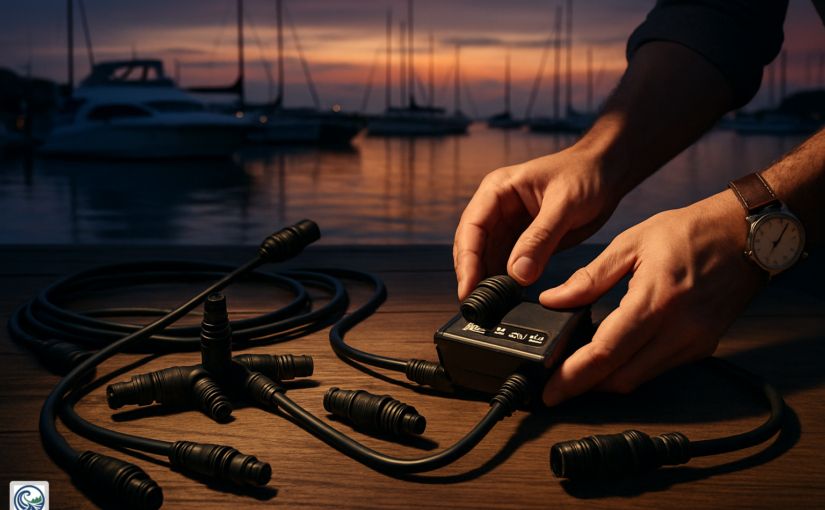
Understanding NMEA2000 and Its Importance
NMEA2000 is a crucial communication protocol that allows various marine devices to connect and share data seamlessly. For boat owners, understanding its functionalities helps in maintaining and monitoring systems more effectively. However, many make common mistakes that can hinder their vessel’s performance.
Top Mistakes Boat Owners Make with NMEA2000
1. Incorrect Network Setup
A frequent issue with NMEA2000 installations is improper network setup. Ensure that devices are correctly wired and terminated. Incorrect configurations can lead to communication failures between devices, which can impact data accuracy.
2. Ignoring Device Compatibility
Not all marine devices are compatible with the NMEA2000 protocol. Always check if the equipment you plan to use supports this standard. Using incompatible devices can lead to unreliable data and system failures. For a detailed list of compatible devices, refer to our NMEA2000 boat monitoring guide.
3. Failing to Update Software
Software updates are essential for ensuring that your NMEA2000 devices function correctly. Manufacturers often release updates that fix bugs or improve functionality. Neglecting these updates can lead to performance issues.
4. Overlooking Data Priorities
Understanding which data is most critical is vital. Boat owners sometimes miss critical alerts related to engine status or battery levels while focusing on less important readings. Prioritizing data can ensure timely interventions, especially during emergencies.
5. Not Utilizing Real-Time Monitoring
One of the most significant advantages of NMEA2000 is its capability for real-time monitoring. Many boat owners fail to leverage this feature, leading to missed alerts about critical conditions like power loss or bilge issues. With systems like EverWatch, you can receive instant alerts, ensuring you are always informed about your vessel’s condition. For more on this, check our page on why cellular boat monitoring pays.
Solutions to Common NMEA2000 Issues
1. Proper Network Configuration
Ensure that your NMEA2000 backbone is properly installed. Always follow manufacturer guidelines for cabling and connections. For detailed instructions, refer to our NMEA2000 vessel monitoring page.
2. Invest in High-Quality Equipment
Choosing high-quality NMEA2000-compliant devices can make a significant difference. Reliable brands ensure interoperability and durability, which can save you from potential connection issues.
3. Regular Software Checks
Set reminders to check for and implement software updates periodically. This maintenance step is crucial for optimal performance.
4. Use Monitoring Solutions
Invest in a comprehensive monitoring system that alerts you to critical issues. The EverWatch Systems Controller can connect to your NMEA2000 network to monitor essential parameters continuously. Learn more about the best monitoring solutions on our page about the best boat monitoring systems.
Conclusion: Mastering Your NMEA2000 Setup
Understanding and avoiding common mistakes with NMEA2000 can enhance your boat’s monitoring efficiency significantly. By following the outlined solutions and leveraging technology like EverWatch, you can ensure your vessel is always safeguarded. For more information about our products, visit the EverWatch Systems product page.


 2-Year Warranty
 30-Day Money-Back Guarantee
 U.S.-Based Support