
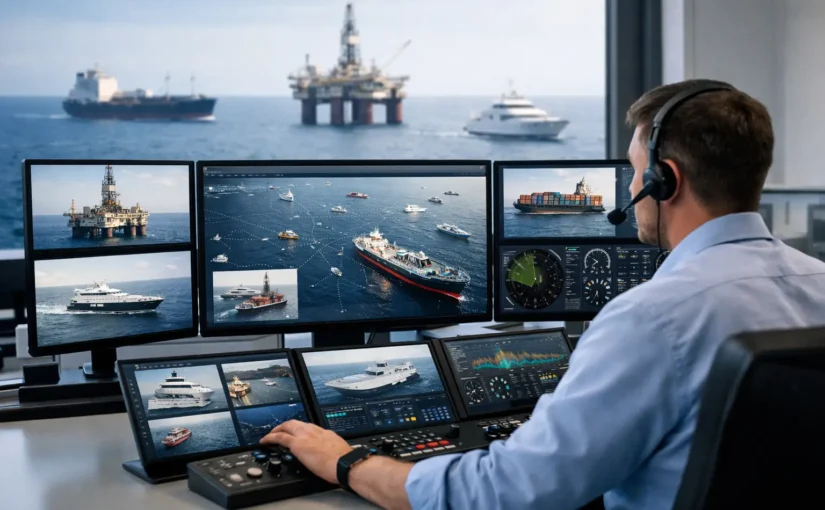
A multi vessel monitoring platform turns scattered boat data into a single operational view. Instead of checking separate apps, calling marina staff, or hoping an onboard alarm is heard, owners and managers can see what matters across every vessel and receive an alert when conditions demand attention. That is the difference between finding a problem early and discovering damage after a weekend, a storm, or a long period away.
For a multi-vessel operator, the challenge is not simply installing more sensors. It is maintaining consistent oversight when each boat has different systems, locations, usage patterns, and risk levels. A center-console in dry storage does not need the same attention as a yacht on shore power at a marina or a tender on a mooring. The platform must make those differences visible without forcing the operator to hunt for critical information.
Why Centralized Vessel Visibility Matters
A single unattended boat can lose shore power, develop a battery issue, take on water, or move outside its expected location. Multiply that exposure across several vessels and the risk becomes operational. A missed high-water alarm or a dead starting battery can affect a planned trip. A prolonged shore power loss can threaten chargers, refrigeration, climate control, and battery health. Unauthorized movement can quickly become a security issue.
The right system does more than collect readings. It gives each vessel a clear status, identifies exceptions, and provides the details needed to respond. A manager should be able to open one mobile app and know which boats are secure, which need attention, and what happened before the alert arrived.
This also improves accountability. When captains, service teams, family members, or marina contacts share responsibility, a time-stamped record of alerts and vessel conditions removes guesswork. The conversation can move from “Was the battery low?” to “When did voltage begin dropping, and was shore power present?”
What a Multi Vessel Monitoring Platform Should Track
The best monitoring setup starts with the threats that create the most expensive interruptions: water intrusion, power loss, battery drain, movement, environmental exposure, and mechanical issues. The exact sensor plan depends on the vessel, but the platform should support a consistent baseline across the fleet.
Power and battery health
Shore power status is one of the most valuable data points for docked boats. When dock power drops, owners need to know immediately, not when they arrive to find discharged batteries or a warm cabin. Battery voltage monitoring adds the next layer of context. It can show whether charging is working, whether a battery bank is declining, or whether an unexpected load is pulling power while the boat is unattended.
For vessels with generators, inverters, or multiple banks, the value is in seeing the condition of the entire electrical picture rather than a single voltage reading. A useful platform makes that information easy to review remotely.
Bilge activity and water intrusion
Bilge monitoring is not only about a high-water alarm. Frequent pump cycles may signal a leak, failed check valve, rainwater intrusion, or another issue that deserves investigation before high water occurs. Water sensors placed in vulnerable areas can provide an additional warning when water reaches a space where it does not belong.
For multi-vessel operations, trend visibility matters. One short pump cycle after a storm may be expected. Repeated cycling on one boat while the rest of the fleet remains normal is an exception worth acting on.
Location, movement, and security
GPS location and geofencing help protect vessels in marinas, at private docks, on trailers, or at anchor. An alert for unexpected movement gives the owner a chance to verify whether a boat is being relocated, drifting, towed, or accessed without authorization.
Anchor monitoring adds protection for vessels left on the hook. It cannot replace good anchoring practice or a capable watch, but it provides valuable awareness when conditions change and the boat is unattended.
Environment, access, and onboard systems
Temperature and humidity monitoring can help identify conditions that threaten interiors, electronics, stored gear, and climate-controlled spaces. Door and hatch sensors add awareness of access points. For more technical operators, NMEA2000 integration can bring engine, transmission, and tank data into the same monitoring environment.
That expandability matters because fleets change. A platform that begins with power, bilge, and GPS should be able to add sensors as a vessel’s operating needs become clearer.
Alerts Must Drive a Response
Data without timely notification creates false confidence. A screen full of readings is useful only if the right person knows when a condition crosses a threshold and has enough information to act.
A multi vessel monitoring platform should support alerts through more than one channel. Push notifications are convenient for routine awareness, but SMS, email, and phone-call escalation can be critical for high-priority events such as high water, shore power loss, or a geofence breach. The goal is not to create noise. It is to make sure an urgent alert reaches someone who can respond.
Alert settings should reflect the real risk of each vessel. A boat in indoor storage may prioritize battery health and unauthorized movement. A vessel in the water may require close attention to bilge activity, shore power, water intrusion, and location. Set thresholds too tightly and the team learns to ignore alerts. Set them too broadly and early warning is lost. The right balance is specific to the boat and where it is kept.
Marine-Grade Hardware Is Part of the System
A fleet dashboard is only as dependable as the hardware supplying its data. Consumer-grade trackers and home-security sensors may appear inexpensive, but boats present a different environment: vibration, moisture, electrical noise, intermittent connectivity, and extended periods without direct supervision.
Marine-grade controllers, properly installed sensors, and ABYC-aligned wiring practices are not cosmetic details. They help create a monitoring system that can operate reliably around vessel electrical systems. Dual LTE and Wi-Fi connectivity also provides practical redundancy. Wi-Fi may be available at the dock, while cellular connectivity can continue carrying alerts when marina internet is unavailable or the boat changes location.
Installation quality deserves the same attention as the app experience. A poorly placed water sensor, an unsecured connection, or an improperly configured power source can undermine the whole system. Operators should look for equipment designed for marine use and support from people who understand boat systems, not generic smart-home troubleshooting.
Choosing the Right Platform for Several Boats
Start with the operating question: what must you know before damage, downtime, or a security event becomes more expensive? For most fleets, that includes shore power, battery condition, bilge activity, water intrusion, GPS position, and geofence status. Then identify vessel-specific requirements such as hatch access, temperature, anchor position, engine data, or tank levels.
Next, evaluate how the platform handles organization. Can you move from a fleet overview to an individual vessel without friction? Can each boat have its own sensor layout and alert thresholds? Can the appropriate people receive alerts without exposing every boat’s data to every user? These details determine whether the platform works during a real event.
Also consider connectivity, expansion, and support. A system limited to one network or a fixed sensor set can become a constraint as your needs grow. EverWatch Systems combines marine-grade hardware, expandable sensors, dual LTE and Wi-Fi connectivity, and multi-channel alerts so owners can maintain persistent oversight from a single mobile experience.
Make Monitoring Part of Your Operating Routine
Remote monitoring does not eliminate inspections, maintenance, or good seamanship. It makes those efforts more targeted. Review your fleet view regularly, even when no alerts are active. Look for slow battery declines, unusual bilge-pump patterns, recurring humidity changes, or a vessel that is not reporting as expected.
When an alert occurs, follow a defined response process. Confirm the condition in the app, contact the person nearest the vessel if needed, and document what was found. Over time, refine thresholds and escalation contacts based on what produces useful action. This is especially valuable for seasonal owners, traveling owners, and managers responsible for boats in multiple locations.
A boat should not become invisible the moment you leave the dock. With clear fleet-level visibility, immediate alerts, and monitoring built for marine conditions, you can stay informed, respond faster, and protect every vessel under your care.