
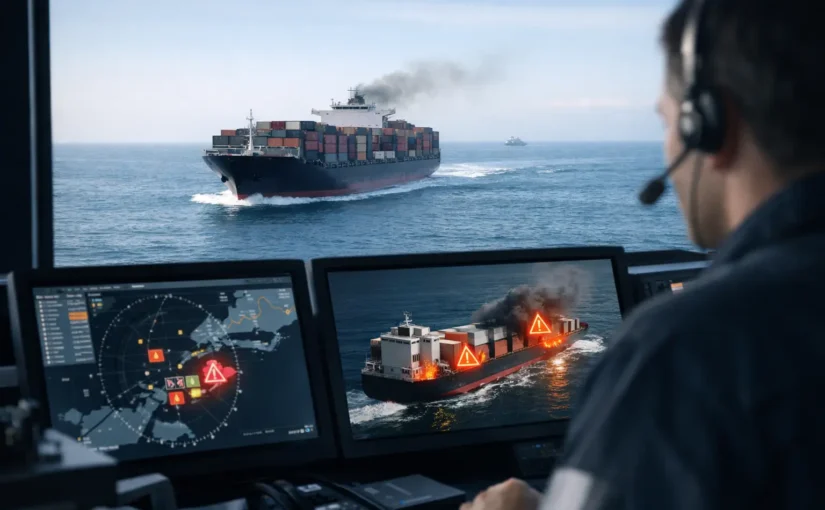
A shore power breaker trips at 2:00 a.m. By morning, a battery bank may be depleted, a refrigerator may be warm, and a bilge pump may be working harder than it should. Real time vessel alerts turn that silent overnight failure into a notification you can act on while there is still time to protect the boat.
For owners who leave a vessel at a marina, on a lift, in storage, or at anchor, remote monitoring is not a convenience feature. It is a practical layer of oversight between routine dock visits. The right system watches the conditions that cause expensive damage, reports meaningful changes, and gives you a clear path to respond.
What Real Time Vessel Alerts Should Actually Do
An alert is only valuable when it tells you something that requires attention. A generic message that says a device is offline may create uncertainty. A marine monitoring system should identify the condition, the vessel involved, and the urgency so you can make a decision without guessing.
That starts with continuous sensing. The system tracks a physical condition such as shore power voltage, battery level, bilge pump activity, water intrusion, temperature, hatch position, or GPS movement. When that condition crosses a threshold or changes unexpectedly, it sends an alert through the channels you choose, including app push notifications, text messages, email, and phone calls.
Speed matters, but context matters just as much. A high-water alert is serious. Repeated bilge-pump cycling after heavy rain may be serious. A single pump cycle may simply be normal operation. Well-configured alerts let the boat owner distinguish routine behavior from a developing problem.
The Failures That Are Most Expensive When Nobody Is Aboard
A boat can look fine from the dock while a critical system is failing below deck. Remote alerts close that visibility gap.
Shore power loss and battery trouble
Shore power loss is one of the most common problems to catch early. It can result from a pedestal issue, a tripped breaker, a disconnected cord, or a fault onboard. Without AC power, onboard chargers may stop maintaining batteries. On some boats, that can affect refrigeration, climate control, sump pumps, security equipment, and other systems that depend on reliable power.
A useful alert sequence is often more valuable than one isolated warning. First, shore power is lost. Then battery voltage begins to decline. That progression tells you whether the boat is still supported by its battery bank and how quickly the situation may require action.
Battery monitoring should account for more than a simple low-voltage threshold. A sudden voltage drop can point to a charging issue or a heavy unexpected load. A slow decline during storage may indicate a parasitic draw. The best response depends on the boat, its electrical system, and what equipment remains active while unattended.
High water and unusual bilge activity
Water intrusion does not always trigger a dramatic alarm immediately. A failed hose clamp, leaking seal, rainwater intrusion, or a plumbing issue can create a gradual problem. High-water sensors provide the direct warning, while bilge monitoring can reveal the earlier pattern: a pump running more frequently or for longer than usual.
Neither signal should be ignored. A pump may be keeping up, but that does not mean the source of the water is under control. An alert gives you time to call marina staff, contact a captain or service technician, or get to the vessel before the issue becomes a claim, a repair bill, or a loss.
Unauthorized movement, theft, and anchor drag
GPS position alerts and geofencing protect against more than outright theft. They can identify unauthorized movement at a dock, a boat leaving an approved storage area, or a vessel drifting outside a defined anchorage.
Anchor monitoring requires good judgment. Wind shifts, swing radius, GPS accuracy, and the surrounding anchorage all affect how a boundary should be set. A fence that is too tight can create nuisance alerts. A fence that is too broad may fail to provide useful warning. The goal is a practical boundary that reflects the boat’s real operating conditions.
Temperature, humidity, doors, and hatches
A boat’s interior environment can change quickly. High humidity can support mildew and corrosion. Extreme heat or cold can threaten equipment and stored supplies. An open hatch or cabin door can expose the vessel to weather, water, or unauthorized entry.
These alerts are especially useful for seasonal owners and operators who manage boats in more than one location. Instead of wondering whether a cabin is closed after a contractor visit or whether a storage compartment is staying dry, you can check the vessel status remotely and respond to an exception.
Alert Delivery Is Part of the Protection
An alert that arrives only in an app notification may be easy to miss. One that calls repeatedly for every minor event will eventually be ignored. Effective notification design balances urgency with control.
For a critical event such as high water, power failure, or unexpected movement, multiple channels provide better coverage. Push notifications are immediate and convenient. SMS messages can reach you when you are not actively using the app. Email creates a useful record. Phone calls are appropriate when the condition demands attention now.
The system should also support escalation. If the primary owner does not respond, a spouse, captain, marina contact, or service provider may need notice. Multi-vessel operators need this even more. A fleet manager cannot watch every dashboard all day, but they can establish alert rules that direct the right issue to the right person.
False alerts are not a minor annoyance. They reduce confidence in the system. Before relying on any monitoring setup, test sensor placement, thresholds, connectivity, and notification preferences. Then revisit them after a few weeks of normal operation. The alert plan for a center console on a trailer will not match the plan for a diesel yacht with climate control, multiple battery banks, and a liveaboard-style electrical load.
Connectivity Cannot Be an Afterthought
A vessel monitoring system needs a reliable way to communicate when the boat is unattended. Marina Wi-Fi can be inconsistent, particularly during storms, seasonal congestion, or power events. Cellular coverage can vary by location. Relying on only one connection creates a weak point precisely when you need confirmation.
Dual LTE and Wi-Fi connectivity gives the system options. If local Wi-Fi drops, cellular can maintain communication. If cellular coverage is limited at a particular dock, Wi-Fi may carry the connection. No communications method can guarantee service in every marina or anchorage, but redundancy is a meaningful advantage.
Marine-grade installation matters too. Boat systems live with vibration, moisture, heat, corrosion, and electrical noise. Hardware and wiring should be designed for those conditions, with installation practices aligned to ABYC safety expectations. A consumer smart-home sensor may be inexpensive, but it was not built around the realities of a wet bilge, a charging system, or a marine electrical environment.
From Alerts to Vessel Intelligence
The strongest monitoring systems do more than report alarms. They help owners see the operating story behind an event.
NMEA 2000 integration can extend remote visibility to engine, transmission, and tank data on compatible vessels. That does not replace a pre-departure inspection or routine maintenance. It does give owners and managers another way to spot abnormal readings, verify equipment status, and have more informed conversations with a technician.
Expandable sensors are equally important because no two boats carry the same risks. One owner may prioritize water intrusion and shore power. Another may need freezer temperature, generator status, fuel levels, access points, and anchor monitoring. A system should grow with the vessel instead of forcing owners to install disconnected devices for every new concern.
EverWatch Systems brings those functions into one marine-specific monitoring platform: onboard hardware, sensors, remote app visibility, and layered alert delivery. The practical benefit is not simply more data. It is fewer blind spots and faster decisions when the boat needs attention.
Set Up Alerts Around Your Response Plan
Before selecting thresholds, decide what you will do when an alert arrives. If you are two hours away, identify who can inspect the boat locally. If the marina can reset a pedestal breaker but cannot enter the cabin, make that distinction clear. If a high-water event requires an immediate call to a service professional, keep that contact ready.
Start with the conditions most likely to create major loss: shore power, battery health, high water, bilge activity, and unexpected movement. Add environmental and access alerts next. Review notifications after storms, maintenance work, and long periods away, because those are the moments that expose gaps in the plan.
A boat does not need constant attention from its owner. It needs the right attention at the right moment. Real time vessel alerts make that possible, giving you the warning to watch, detect, and respond before a small issue owns the next chapter of your boating season.