
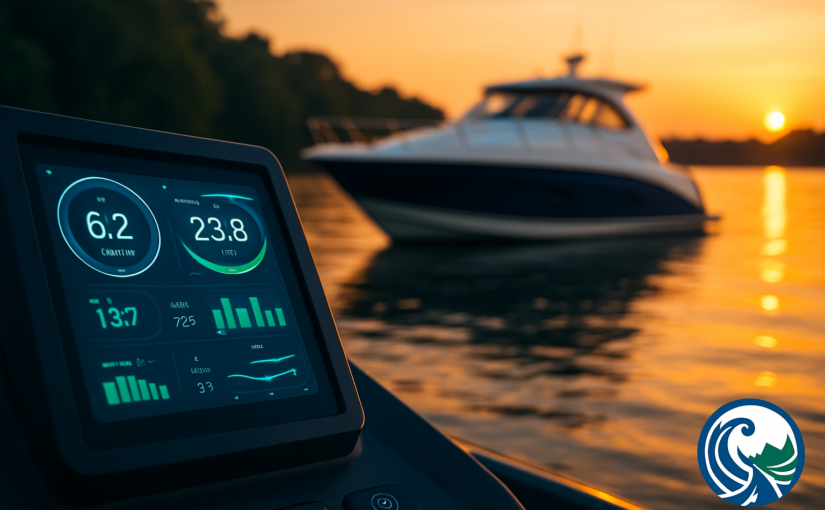
Boat sensors are critical components of modern vessel monitoring systems, providing real-time data on various aspects such as power, security, and environmental conditions. These sensors help boat owners maintain their vessels effectively and prevent costly issues.
A boat sensor is a device that collects specific data to monitor the status and performance of a vessel, allowing owners to make informed decisions regarding maintenance and security.
Types of Boat Sensors
There are several types of sensors used in boat monitoring systems, each serving a unique purpose:
- Temperature and Humidity Sensors: Monitor cabin conditions, preventing damage from mold and corrosion.
- Water Intrusion Sensors: Detect leaks early, triggering alerts to reduce damage.
- Smoke Sensors: Provide early detection of smoke or fire in confined spaces.
- Bilge Sensors: Monitor water levels in the bilge to prevent flooding.
- Shore Power Sensors: Notify owners when shore power is lost or restored, ensuring battery systems stay charged.
Importance of Real-Time Monitoring
Real-time monitoring through boat sensors is crucial for maintaining vessel safety and preventing damage. For example, a boat humidity sensor can alert owners to moisture buildup, which helps avoid mold and structural damage (Source: [Marine Safety Foundation](https://www.marinesafetyfoundation.org)). Additionally, a boat water intrusion sensor can detect leaks promptly, allowing users to address issues before they escalate.
How Boat Sensors Work
Boat sensors operate by collecting data and sending it to a monitoring system, typically accessible via a mobile app. This allows boat owners to:
- Receive instant alerts about critical conditions.
- Monitor power consumption and battery levels.
- Check environmental conditions, such as temperature and humidity.
- Ensure security by monitoring access points, like doors and hatches.
Key Features of Effective Boat Monitoring Systems
When choosing a boat monitoring system, consider the following features:
- Real-Time Alerts: Instant notifications for any anomalies.
- Mobile Access: Ability to monitor your vessel remotely.
- Comprehensive Data: A range of sensors covering various monitoring needs.
- User-Friendly Interface: Easy navigation on mobile apps to check sensor status.
Comparing Popular Boat Sensors
| Sensor Type | Function | Benefits |
|---|---|---|
| Temperature and Humidity Sensor | Monitors cabin conditions | Prevents mold and equipment damage |
| Water Intrusion Sensor | Detects leaks | Reduces potential damage |
| Smoke Sensor | Early smoke detection | Enhances safety |
| Bilge Sensor | Monitors bilge water levels | Prevents flooding |
| Shore Power Sensor | Monitors shore power status | Ensures battery charge |
Conclusion: Ensuring Your Vessel’s Safety
Investing in the right boat sensors can significantly enhance your vessel’s safety and efficiency. By leveraging advanced technology, boat owners can stay informed and proactive, preventing problems before they arise. For those looking to improve their vessel monitoring system, consider exploring the EverWatch Marine Controller and its suite of sensors to keep your boat secure and well-maintained.
Last updated: June 2026. We review this article regularly to reflect the latest data and best practices.


 2-Year Warranty
 30-Day Money-Back Guarantee
 U.S.-Based Support