
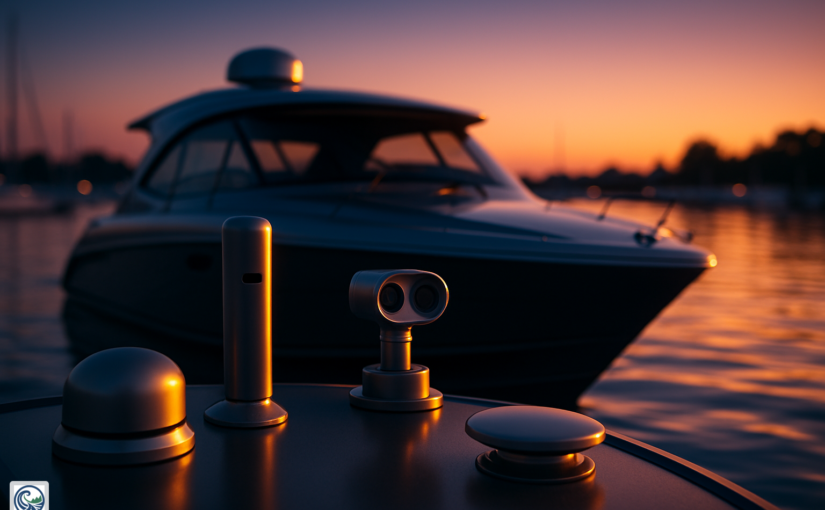
Boat sensors are essential components of modern vessel monitoring systems, offering real-time insights into the condition of your boat. By using a variety of sensors, boat owners can track power usage, environmental changes, and security status, ensuring their vessels are always protected and well-maintained.
A sensor is a device that detects changes in the environment and sends information to a monitoring system, enabling proactive management.
What Types of Sensors Are Used in Boat Monitoring?
There are several types of sensors used in boat monitoring, each serving a unique purpose:
- Temperature and Humidity Sensors: Monitor and relay temperature and humidity levels to prevent mold and equipment damage.
- Water Intrusion Sensors: Detect leaks in real-time, helping to mitigate potential damage before it escalates (Source: EverWatch).
- Bilge Sensors: Monitor water levels in the bilge to prevent flooding and damage.
- Shore Power Sensors: Notify owners when shore power is lost or restored, crucial for maintaining battery health.
- Smoke Sensors: Alert users to potential fire hazards in enclosed spaces.
How Do Sensors Improve Boat Security?
Boat sensors play a critical role in security. They provide instant alerts and continuous monitoring, allowing owners to respond quickly to potential threats. For instance, a door and hatch sensor can notify you if unauthorized access occurs, adding an extra layer of safety.
Real-World Example of Sensor Impact
Consider a boat equipped with a water intrusion sensor. If the sensor detects unusual water levels early, it can send alerts to the owner’s mobile app, prompting immediate action to address the leak and avoid extensive repair costs.
The Importance of Continuous Monitoring
Continuous monitoring through sensors ensures that boat owners are always informed about their vessel’s condition. This real-time data helps prevent costly issues before they escalate. For example, a shore power sensor not only alerts you to power loss but also helps maintain the integrity of onboard systems.
Benefits of Continuous Sensor Monitoring
- Proactive problem identification
- Reduced maintenance costs
- Enhanced safety and security
- Improved peace of mind for owners
Integrating Sensors into Your Boat Monitoring System
For optimal performance, integrating various sensors into your boat monitoring system is crucial. The EverWatch Marine Controller provides a comprehensive solution, allowing seamless integration of multiple sensors for streamlined monitoring.
Comparison of Key Sensors
| Sensor Type | Function | Benefits |
|---|---|---|
| Temperature and Humidity | Monitor cabin conditions | Prevents mold and equipment failure |
| Water Intrusion | Detect leaks | Minimizes water damage and alerts |
| Bilge | Measure water levels | Prevents flooding |
| Shore Power | Track power status | Maintains battery life |
| Smoke | Detect smoke presence | Early fire detection |
Conclusion: Why Your Boat Needs Sensors
Investing in sensors for your boat monitoring system greatly enhances your vessel’s security and maintenance capabilities. By utilizing advanced technology like the ones offered by EverWatch, you ensure that your boat is protected against various risks. Equip your vessel with the right sensors today and experience the difference in safety and peace of mind.
Last updated: June 2026. We review this article regularly to reflect the latest data and best practices.


 2-Year Warranty
 30-Day Money-Back Guarantee
 U.S.-Based Support