
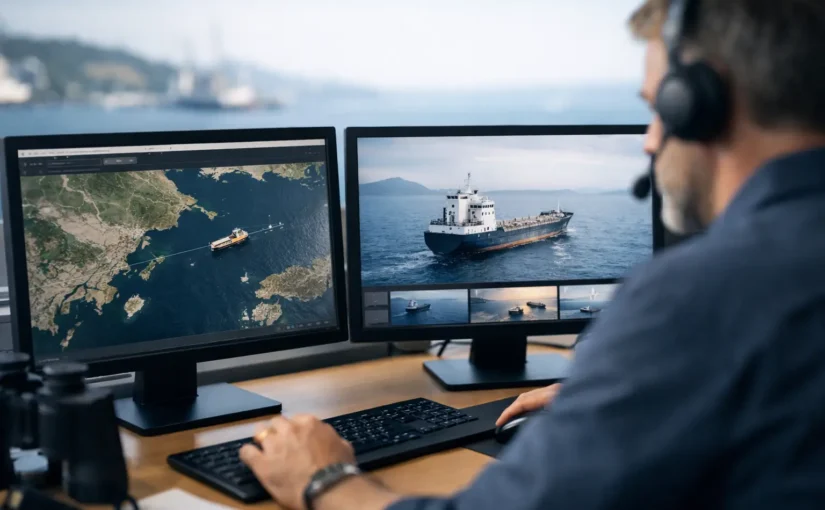
A boat that moves when no one is aboard is never a small issue. It can mean a dragging anchor, a failed mooring, unauthorized use, towing, theft, or the early stage of a much larger loss event. If you need to track unattended vessel movement remotely, the goal is not just seeing a dot on a map. The goal is knowing when movement is normal, when it is dangerous, and when you need to act immediately.
That distinction matters because boats move for legitimate reasons all the time. They swing on anchor, shift in a slip with wind and current, get repositioned by marina staff, or drift a few feet as conditions change. A useful remote monitoring system has to tell the difference between expected motion and a true exception. If it cannot, you end up with constant false alarms or, worse, no warning when the situation is real.
What remote vessel movement tracking should actually do
Basic GPS tracking sounds good on paper, but position alone rarely gives you enough protection. If your boat is unattended, you need a system that watches location in context. That means geo-fencing, anchor status, alert thresholds, connectivity management, and a reliable way to notify you when movement crosses the line from normal to suspicious.
A proper setup should answer a few simple questions fast. Is the vessel where it should be? Has it moved beyond an approved area? Did it break anchor watch parameters? Is movement happening at a time or place that makes no sense? Can you verify the event remotely before it becomes expensive?
This is where marine-specific monitoring separates itself from a generic tracker hidden on board. A consumer tracker may show movement after the fact. A marine monitoring system is built to watch, detect, and respond while the event is still unfolding.
How to track unattended vessel movement remotely without guesswork
The first step is choosing a monitoring platform designed for unattended vessels, not cars, trailers, or general asset tracking. Boats live in a harsher environment, and their risks are different. Salt, vibration, intermittent shore power, weak marina coverage, and long idle periods all create conditions that expose weak hardware and unreliable communications.
Marine-grade hardware matters here. So does installation. If your monitoring device loses power, loses signal, or fails in a wet bilge environment, movement tracking disappears exactly when you need it. Systems built around ABYC-aligned wiring practices and marine-duty components are more likely to stay online when conditions turn ugly.
The second step is enabling GPS position monitoring with a defined geo-fence. A geo-fence creates a virtual perimeter around the vessel’s expected location. If the boat leaves that perimeter, the system sends an alert. This sounds simple, but the setup needs to reflect how the vessel is stored or moored.
A boat in a fixed slip can usually use a tighter geo-fence than a boat on anchor. A vessel in a mooring field may need more tolerance for swing radius. A yacht in winter storage may need a different alert profile than one tied up at a busy marina where yard crews move boats regularly. Good remote tracking depends on configuration, not just hardware.
The third step is layering in anchor monitoring if the boat spends time off the dock. Anchor drag is one of the clearest examples of why straight GPS is not enough. A drifting vessel may first move only a short distance. If your system only alerts on large location changes, you may learn about the problem too late. Anchor watch logic helps catch movement earlier, before the boat enters traffic, shoal water, or another vessel’s path.
The fourth step is making sure alerts reach you through more than one path. Push notifications are useful, but they should not be your only line of defense. If movement is urgent, you may want SMS, email, or even a phone call escalation. When a vessel breaks a geo-fence at 2:13 a.m., awareness is everything.
Why connectivity is often the weak point
Many boat owners focus on sensors first and communications second. That order should be reversed. If the system cannot get data off the boat reliably, every other feature becomes less valuable.
Cellular connectivity is often the primary path for remote vessel monitoring, especially when the boat is unattended for long stretches. Wi-Fi can add value at marinas with stable coverage, but it should not be the only option. A dual-path approach gives you better odds of maintaining visibility when one network becomes unavailable or inconsistent.
This is particularly important for movement events because they may happen at the same time as other electrical or environmental issues. Shore power loss, battery voltage drop, or tampering can affect lesser systems quickly. A dedicated, purpose-built monitoring platform is stronger when it can maintain communications independently and keep transmitting alerts.
Movement alerts are stronger when tied to other onboard data
If a boat leaves its normal position, the next question is why. Location data tells you what happened. Supporting sensor data helps explain what kind of incident you are dealing with.
For example, if your vessel shows unexpected movement and a door or hatch sensor also triggered, unauthorized boarding becomes a more likely explanation. If the boat moves after a shore power loss and battery voltage decline, the issue may involve broader onboard power instability. If movement starts while bilge activity rises, you may be dealing with a compounding emergency rather than a simple repositioning.
That is why advanced owners often prefer a connected monitoring stack over a standalone GPS puck. When position data is paired with battery status, bilge alerts, water intrusion, temperature, humidity, and even NMEA2000 engine or tank data, remote awareness gets sharper. You are no longer reacting to one signal in isolation. You are seeing the vessel as a live operating system.
The trade-off between sensitivity and false alarms
Every owner wants immediate alerts, but not every owner wants constant noise. There is a real trade-off between catching small movement quickly and avoiding alert fatigue.
If your geo-fence is too tight, normal motion can trigger repeated alarms. If it is too wide, you may miss the early phase of a problem. The right threshold depends on where and how the boat is kept. A center console at a lift, a cruising sailboat on anchor, and a motor yacht in a marina all need different settings.
This is also where professional-grade marine monitoring has an advantage. It is built around use cases that actually happen on the water. The system should let you tune movement logic based on the vessel’s environment, not force one rigid profile onto every boat.
What to look for in a system built for unattended boats
If your primary concern is to track unattended vessel movement remotely, evaluate systems by how well they protect the boat when no one is there to interpret what is happening.
Look for GPS with configurable geo-fencing and anchor alerts. Look for marine-grade hardware that can live aboard full-time. Look for cellular connectivity with Wi-Fi support, not one or the other if you can avoid it. Look for multi-channel notifications so urgent alerts are hard to miss.
Then look beyond movement itself. A vessel rarely fails in only one way. The best protection comes from a system that also watches shore power, batteries, bilge conditions, water intrusion, temperature, humidity, and access points. That broader visibility gives you a better chance to stop a movement event before it turns into damage, recovery, or insurance paperwork.
For owners who want a complete approach, EverWatch is built around that exact reality – persistent onboard monitoring, marine-grade hardware, dual LTE and Wi-Fi connectivity, and alerting that does not stop at location alone.
Remote tracking is about response, not just visibility
A map view is useful, but it is only the beginning. What matters most is how quickly you can confirm the event and decide on the next move. That may mean calling the marina, contacting a captain, alerting local authorities, or sending someone to the dock before conditions worsen.
The real value of remote vessel movement monitoring is speed. Early awareness can prevent hull damage, collision, grounding, theft loss, and cascading system failures. Waiting until your next marina visit is not a strategy. Neither is hoping a neighbor notices.
Unattended boats still need oversight. The right system gives you that oversight continuously, with enough intelligence to separate harmless movement from the kind that demands action. When your boat moves and it should not, you should know fast, know clearly, and know what to do next.


 2-Year Warranty
 30-Day Money-Back Guarantee
 U.S.-Based Support